Lanewise E-scooters
Are e-scooters legal in NSW? Not yet, unless you hire one in a trial town
By the Lanewise editorChecked 15 October 20267 min read
Short answer
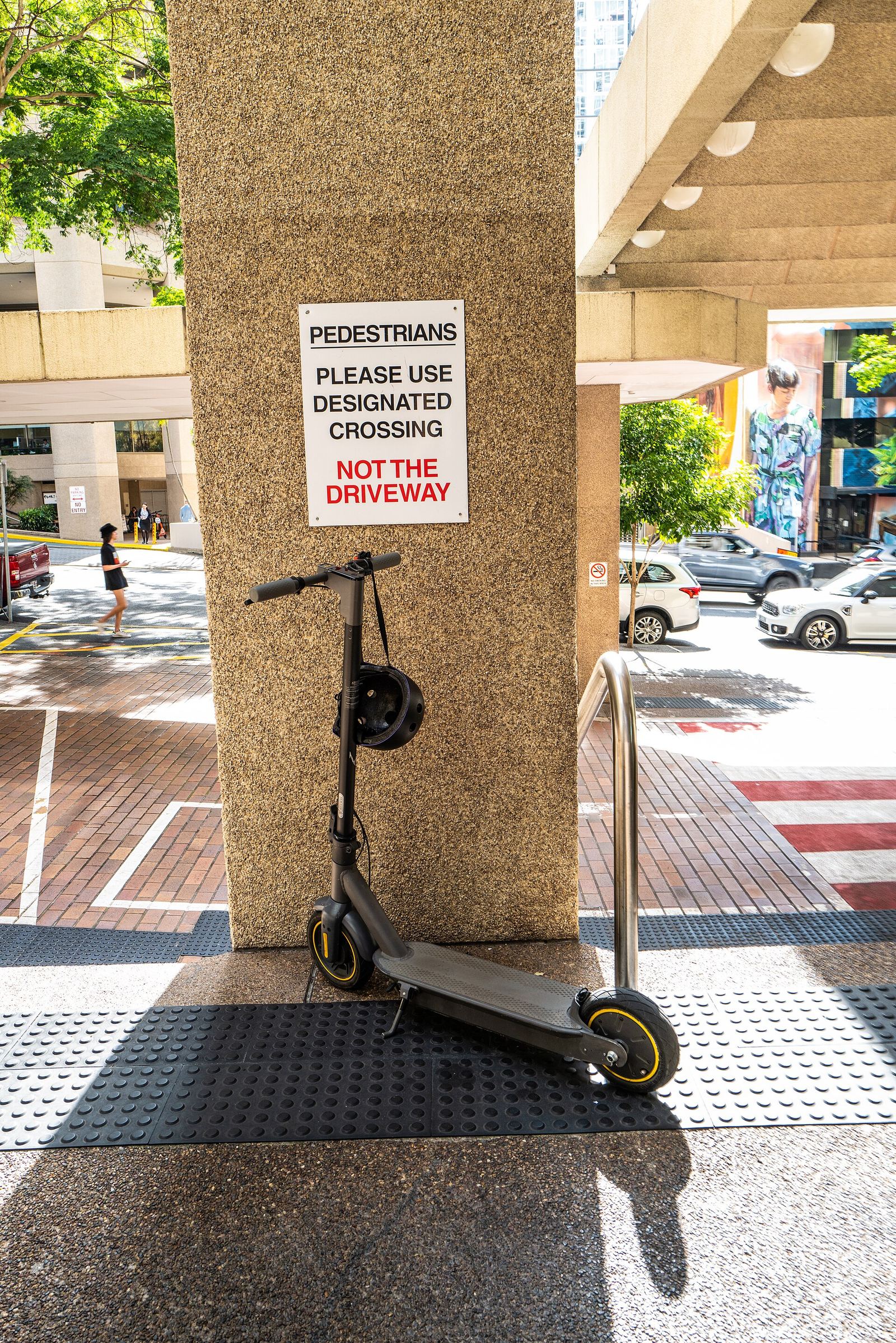
No, not your own one. A privately owned e-scooter can only be ridden on private property in NSW. Riding it on a road, footpath, shared path or bike lane is an offence, even inside a trial area.
The only legal public riding is on a shared hire e-scooter inside the Wollongong or Forster-Tuncurry trial zones, if you are 16 or older and wear a helmet. The NSW Government has proposed legalising private e-scooters, but no start date has been set.
What you can ride in NSW today
Checked 13 October 2026
- Private e-scootersNot allowed
Illegal in public
- Shared hire e-scootersTrial areas only
Legal in 2 trial areas
- E-bikesAllowed
Legal up to 500 W
- Illegal e-bikesIn force
Can be seized and crushed
- E-bike minimum ageUnder review
Under review
Where you can and cannot ride an electric scooter in NSW
| Where | Your own e-scooter | A shared hire e-scooter |
|---|---|---|
| Your own backyard, driveway or farm | Yes | Not applicable |
| Someone else's private land, with permission | Yes | Not applicable |
| Footpaths | No | No, not even in a trial area |
| Shared paths and bike paths | No | Yes, inside a trial area, at up to 10 km/h on shared paths |
| Bike lanes and roads signed 50 km/h or less | No | Yes, inside a trial area, at up to 20 km/h |
| Roads signed over 50 km/h | No | No |
| Public car parks and other road-related areas | No | Only where the trial area includes them |

Transport for NSW puts it plainly: personal e-scooters "remain illegal on NSW roads and road-related areas, including footpaths, shared paths and bicycle lanes. You can only use these on private property." That applies inside the trial zones too. A Wollongong rider on their own scooter, riding past a row of legal hire scooters, is still breaking the law.
Why your own e-scooter is illegal
It comes down to how the law sorts vehicles. NSW law treats a private e-scooter as a motor vehicle, and a motor vehicle on a public road has to be registered and insured, and its rider has to be licensed. E-scooters are not built to the standards a registrable vehicle has to meet, so there is no way to register one.
Ride it in public and you are riding an unregistered, uninsured vehicle without the right licence.
That is also why the fine for a private scooter is not a simple scooter fine. Transport for NSW's penalty table does not give a dollar figure for it. It says "penalties may apply for being an unregistered, uninsured and unlicensed motor vehicle", which can mean several notices for one ride. Our fines page sets out what is known.
The shared trials are the exception. For each trial, Transport for NSW declares the chosen roads and paths an "Electric Scooter Use Area" under the road rules, which makes it legal to ride the operator's scooters there and nowhere else.
Why e-bikes are legal and e-scooters are not
An e-bike that meets the power-assisted bicycle rules is legally a bicycle. Its motor only helps while you pedal, cuts out at 25 km/h, and is limited to 500 watts today (250 watts and the European EN 15194 standard from 1 March 2029). Meet those limits and you ride under the same rules as a pushbike, with no registration.
There is no equivalent category for a private stand-up e-scooter in the NSW rules yet. Every other state and territory has one, although the Northern Territory's is limited to 200 watts and 10 km/h. NSW has drafted its version but not made it law. How the other states compare. The e-bike rules are explained separately.

Shared e-scooters: the two trial towns
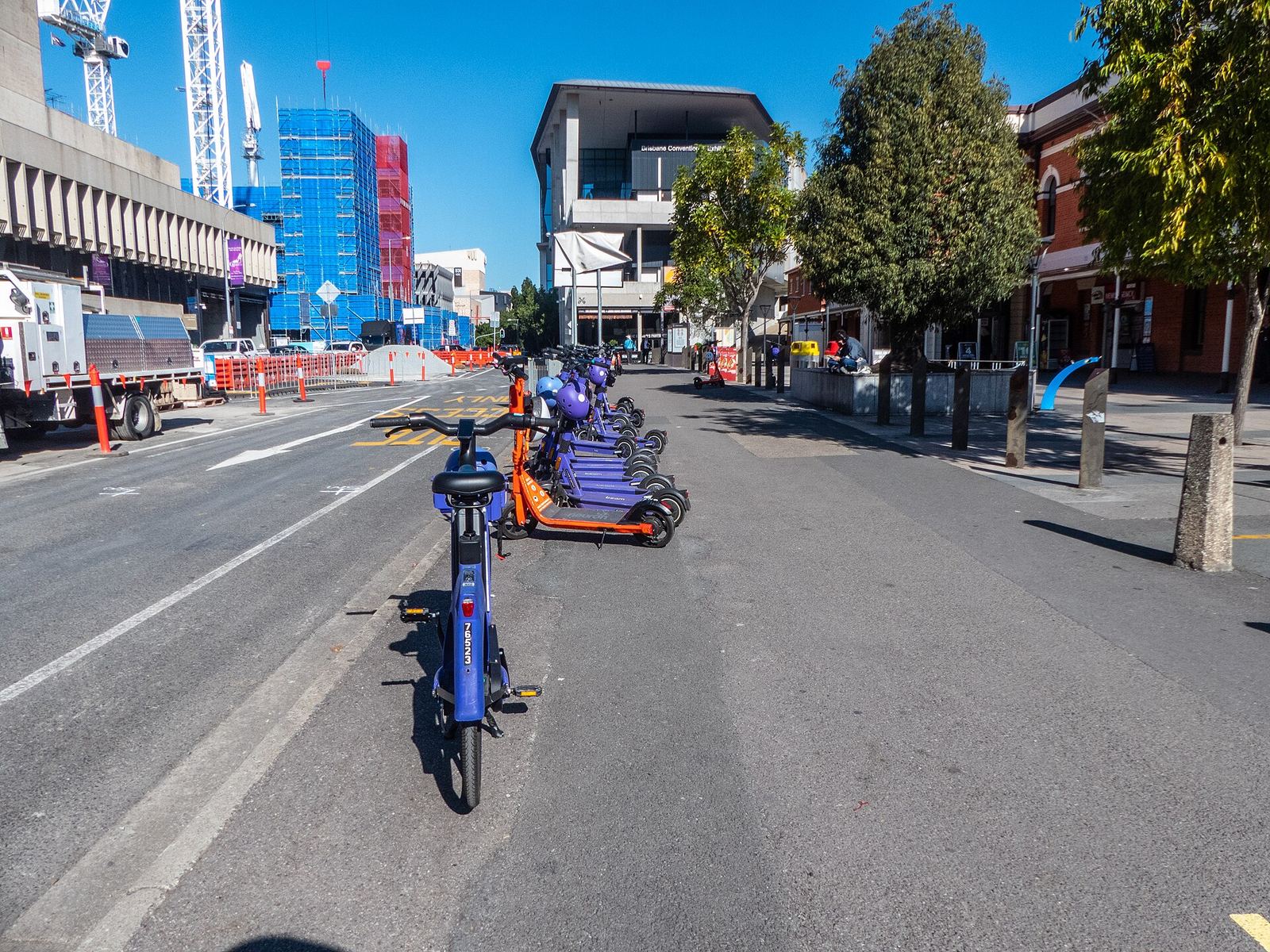
As at 13 October 2026, NSW has two live shared e-scooter trials, both listed by the NSW Government as running until 22 January 2027:
- Wollongong, with Neuron Mobility as the operator, since 29 September 2023.
- Forster-Tuncurry, with Beam, since 8 December 2023.
Earlier trials in Western Sydney Parklands, Lake Macquarie, Armidale, Albury and Kogarah have ended. There is no shared e-scooter trial in Sydney today; the last one nearby, in Kogarah, finished on 10 January 2025.
The trial rules are close to the rules proposed for private scooters, so they are a fair preview:
- You must be 16 or older and wear an approved bicycle helmet.
- No footpaths. Shared paths at up to 10 km/h; bike paths, bike lanes and roads of 50 km/h or less at up to 20 km/h.
- No passengers, no hand-held phone, single file on roads.
- A 0.05 blood alcohol limit applies, and drug-driving laws apply as they do to drivers.
- You need a bell or horn, and lights at night or in bad weather.
- You do not need a driver licence.
What the proposed rules for private e-scooters say
The Government's plan has been public since October 2024, when Transport for NSW released draft key rules alongside its E-micromobility Action Plan. In May 2025, responding to an Upper House inquiry, it confirmed the direction. If the draft becomes law as written:
| Rule | Draft setting |
|---|---|
| Minimum age | 16 |
| Licence, registration, insurance | None needed for private use |
| Helmet | Required |
| Footpaths | Not allowed, except an adult accompanying a child under 16, or with a medical exemption |
| Shared paths | Allowed, default 20 km/h or lower where signed, giving way to pedestrians |
| Bike paths and bike lanes | Allowed, 20 km/h |
| Roads | Allowed on roads of 50 km/h or less, at up to 20 km/h |
| Shared zones | 10 km/h |
| Alcohol and drugs | Under 0.05, no illicit drugs |
| Passengers | Not allowed |
The Government's May 2025 statement described shared paths with "a default speed limit of 10-20kmh", so the exact path speed is not settled. Every device would also have to meet a definition covering brakes, lights and a top speed, which has not been published.
When will private e-scooters be legal in NSW?
Nobody knows yet, and anyone who gives you a date is guessing. The Government said in May 2025 that it would "progress the proposed regulation of e-scooters" in the coming months. As at 13 October 2026 the road rule changes have not been made and no start date has been announced. Our road map tracks each step, and the law tracker logs every official change the day we find it.
Electric scooters, safety and police
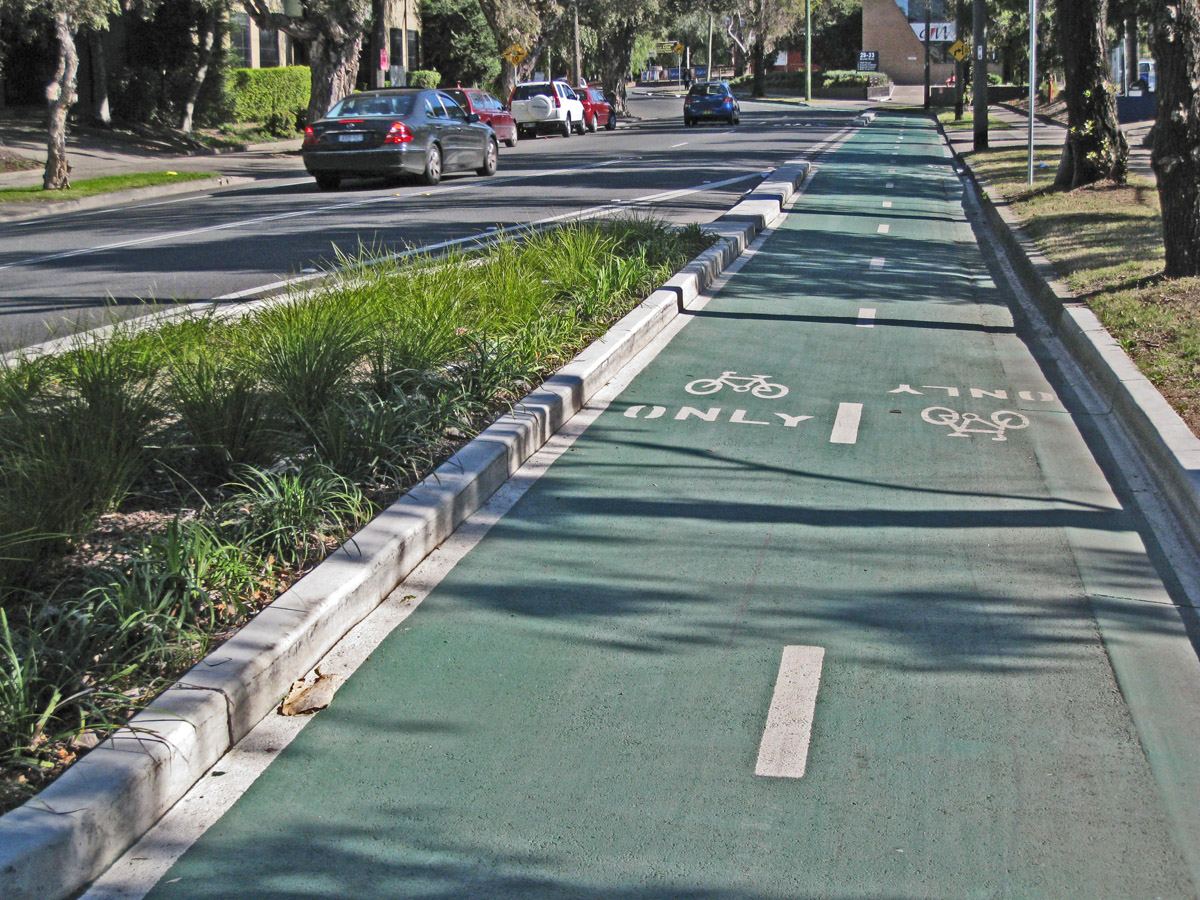

Safety is the reason NSW has moved slowly. Electric scooters are fast for their size, riders stand up with small wheels, and footpaths are shared with people walking. That is why the trial rules, and the draft rules for private scooters, keep footpaths off limits, set a 20 km/h speed limit on roads and bike lanes, cap shared paths lower, and require a helmet.
Police enforce the road rules for e-scooters the same way they enforce them for drivers and cyclists. On a hire scooter in a trial area that means set fines: $144 for riding on a footpath, going over the speed limit or carrying a passenger, and $434 for no helmet or using a phone.
The 0.05 alcohol limit and the drug-driving laws apply too, and a drink or drug riding offence can affect your driver licence. On a private electric scooter in public, police can deal with it as an unregistered, uninsured vehicle.
A few practical points that follow from the rules:
- Speed limit: 20 km/h is the cap on roads and bike lanes in the trials and in the draft; 10 km/h on shared paths in the trials.
- Helmets: an approved bicycle helmet, fitted and fastened. The fine for riding without one is the biggest of the trial fines.
- Lights: use the scooter's lights at night or in bad weather; the fine is per missing light or reflector.
- One rider: no passengers, no doubling a friend, no carrying a child.
Buying an e-scooter in NSW
Shops can sell e-scooters in NSW. Buying, owning and riding one at home are all legal. The Government itself has called this "a regulatory blind spot that means e-scooters can be purchased in stores, but can't be ridden on NSW streets." It also reported that only 22% of people knew riding one on NSW roads was illegal.
If you are buying now for a future where private scooters are legal, the draft rules point to what will matter: a top speed capped at about 25 km/h, working brakes, a bell and lights. A scooter that goes much faster may not qualify under the final definition.
Common questions
Are e-scooters legal in NSW in 2026?
Only shared hire e-scooters inside the Wollongong and Forster-Tuncurry trial areas. Riding your own e-scooter on any road, footpath, shared path or bike lane is still illegal. You can ride it on private property.
Why are e-scooters illegal in NSW but e-bikes are not?
A compliant e-bike is legally a bicycle. A private e-scooter is treated as a motor vehicle that cannot be registered, so riding it in public breaks the registration, insurance and licence laws. NSW has drafted a legal category for e-scooters but has not made it law.
What are the new e-scooter laws in NSW for 2026?
Private e-scooter riding has not been legalised. NSW Police now expressly includes prohibited e-scooters in its guidance on seizure of non-registrable vehicles. The e-bike seizure powers began on 21 August 2026. The shared trials in Wollongong and Forster-Tuncurry were extended until 22 January 2027.
Can a 14-year-old ride an e-scooter in NSW?
Only on private property. Shared hire scooters require riders to be 16, and the proposed rules for private scooters also set the minimum age at 16.
Can I ride my e-scooter on the footpath in NSW?
No. Footpath riding is illegal for private scooters and for shared scooters in the trials, and the draft rules would keep footpaths off limits for adults.
Is there an e-scooter trial in Sydney?
Not at the moment. The Kogarah trial ended on 10 January 2025. The two live trials are in Wollongong and Forster-Tuncurry.
Sources
- Transport for NSW, E-scooters (rules, fines, live trial sites)
- NSW Government, Legalising e-scooter riding in public places
- Transport for NSW, Draft key e-scooter rules, October 2024 (PDF)
- NSW Government, Shared E-scooter Trial Program (trials until 22 January 2027)
- Minister for Transport, A safer pathway for the future of e-bikes and e-scooters, 13 May 2025
- NSW Government, E-scooters kick toward legalisation in NSW, 28 October 2024
- Transport for NSW, E-bikes (legal e-bike definition)